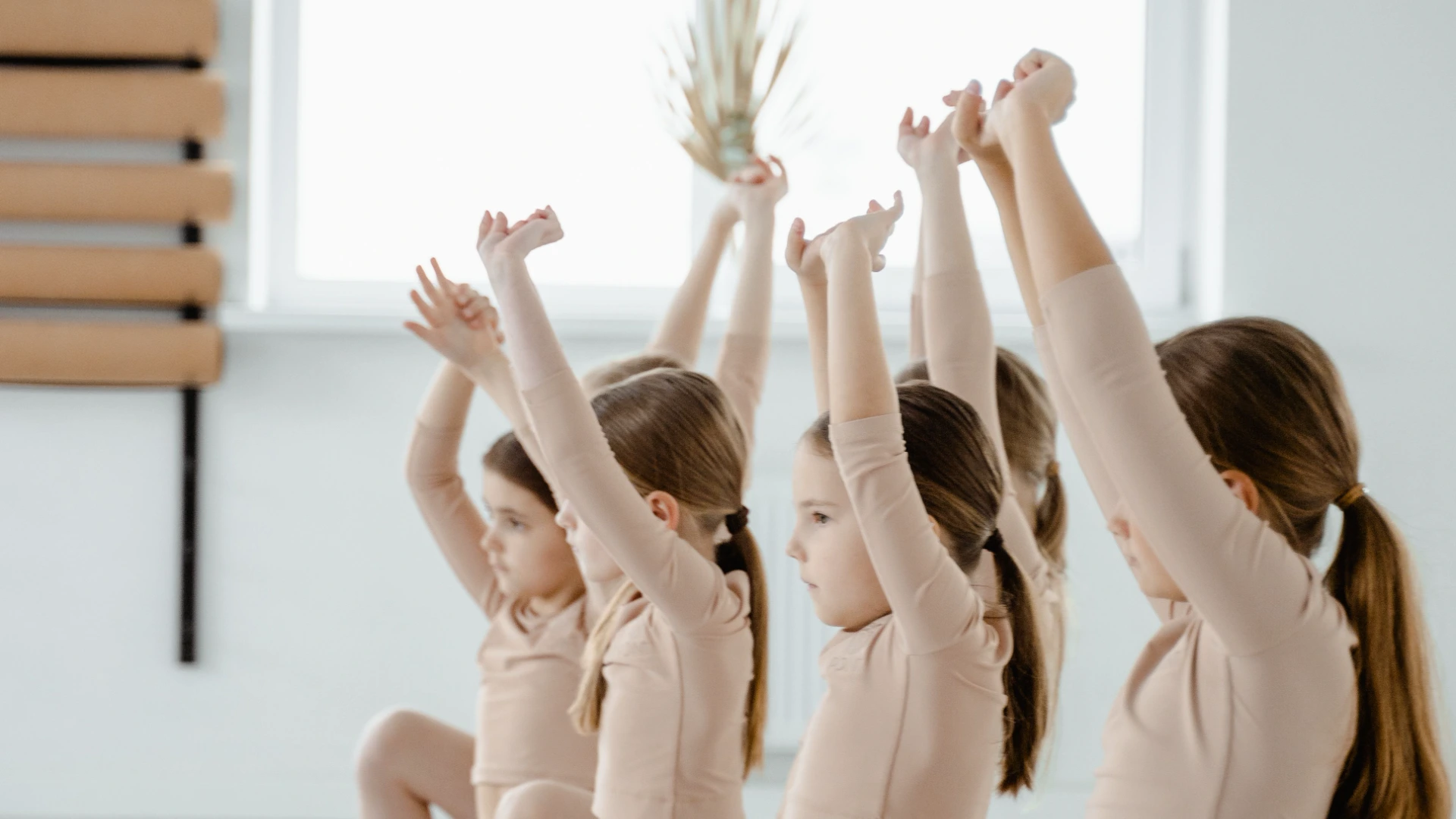

Teaching Kids That Fitness Is Fun
The minute you turn fitnessinto a chore, kids check out. The second it becomes a game, they can't getenough.
Every parent who has evertried to drag a reluctant eight-year-old through a workout knows this. Andevery coach who has watched a group of kids turn a warm-up into a spontaneouscompetition knows the other half of it — that kids have a natural drive to move,to challenge themselves, to see what their bodies can do. The problem is almostnever the kid. It's the context.
This post is not about youthathletic development programs. It's not about producing elite junior athletesor getting your kid recruited for a college sport. It's about something simplerand more durable than any of that: planting a relationship with movement thatlasts a lifetime. Doing it before they decide — usually somewhere between ages10 and 14 — that fitness is "not for them."
Because once that decisiongets made, it's a hard one to undo.
"Kids who grow upthinking of themselves as active people become active adults. The identityforms early — and the window to shape it doesn't stay open forever."
WHY THE WINDOW MATTERS
Physical inactivity inchildren is at a generational high. Screen time has expanded into everyavailable gap in the day. School physical education has been cut, shortened, orreduced to a shadow of what it was. Organized youth sports have, in many cases,become so specialized and competitive so early that kids who don't show earlypromise opt out entirely before they've had a real chance to find what they'regood at.
The habits formed in childhoodare the foundation of adult exercise behavior. Research in pediatric healthconsistently shows that physically active children are significantly morelikely to become physically active adults — and that the reverse is equallytrue. The sedentary child doesn't grow out of it. They grow into it.
But more important than thephysical habits is the identity piece. Kids who grow up thinking of themselvesas active people — as someone who moves, who plays, who is capable in theirbody — carry that into adulthood. Kids who grow up believing they're bad atsports, or that exercise is something other people do, carry that too. The goalisn't to build a junior athlete. The goal is to build an adult who doesn't haveto fight themselves every time they think about going to the gym.
That work starts early. Andit's easier than most parents think — because the foundation isn't a program.It's an environment.
WHAT ACTUALLY WORKS — THEPSYCHOLOGY
Kids are not miniature adults.They don't respond to discipline, performance metrics, or aesthetic goals theway adults do. Telling a nine-year-old that they need to work out to be healthylands about as well as telling them to think about their retirement savings.The time horizon is wrong. The motivation structure is wrong.
What kids actually respond tois simple: novelty, play, social connection, and visible mastery. They wantsomething interesting to do, they want to do it with other people, and theywant to get better at something they can see themselves getting better at.Those four levers are the whole game.
The child who can do acartwheel, climb a rope, jump a box, and carry something heavy has a physicalconfidence that transfers to everything else. They show up to PE without dread.They try new sports without expecting to fail. They trust their body in unfamiliarsituations.
That physical literacy isbuilt through exposure to many movements — not early specialization in onesport. Kids who play multiple sports and engage in varied physical activitydevelop broader capability and stay in sports longer than kids who specializeearly.
The enemy of kids' fitness ispremature performance pressure. Youth sports culture has a well-documentedproblem with this: the drive to identify "talent" early, tospecialize by age eight, to make it about winning before kids even know whetherthey enjoy the movement. The kids who thrive in that environment are the oneswho happen to develop early. Everyone else quietly decides the physical worldisn't for them.
Competence before competition.Let kids get good at moving before you ask them to compete at it.
WHAT PARENTS DO THAT BACKFIRES
Most of this is unintentional.That doesn't make it less damaging.
- USING EXERCISE AS PUNISHMENT
"Run a lap because youmisbehaved." "Do push-ups for talking back." The message thissends is direct and permanent: movement is what happens when you do somethingwrong. That association outlasts the punishment.
- MAKING BODY COMMENTS INFRONT OF KIDS
Yours, theirs, or anyoneelse's. Kids are listening to every word you say about bodies and what they'resupposed to look like. Those comments become the internal voice they carry intoadulthood.
- PROJECTING YOUR OWN SPORTPREFERENCES
Not every kid wants to be theathlete you were — or the athlete you wish you'd been. The parent who pushesfootball on a kid who wants to dance, or vice versa, is solving their ownproblem, not the child's.
- FORCING STRUCTURED TRAININGON YOUNG CHILDREN
A seven-year-old doesn't needa program. They need to run around. Structure comes with developmentalreadiness — trying to impose it too early produces kids who associate exercisewith boredom and obligation.
- OPENLY HATING YOUR OWNWORKOUTS
This is the big one. If yourkids hear you complain about going to the gym, dread your workouts, or talkabout exercise as something you have to survive — that's the loudest fitnessmessage in the house. Louder than anything you tell them directly.
"If your kids hear youdread your workouts, that's the loudest fitness lesson in the house. Louderthan anything you tell them directly."
WHAT ACTUALLY WORKS — INPRACTICE
MOVE TOGETHER
The most powerful thing is nota program. It's the child seeing the adult they love choose to move. Familyhikes. Backyard games. A Saturday morning workout where the kids are in theroom watching. You don't have to make it a formal fitness session. You have tomake movement something your household does.
GAME FIRST
Make movement the point, notthe outcome. Backyard obstacle courses. Broad jump contests. Relay races.Anything where the activity itself is the fun — not the fitness benefit, notthe score, not the performance. When kids are playing, they'll push themselvesharder than any coach could ask them to.
CELEBRATE EFFORT
"You kept going"beats "you won." Praise consistency, persistence, and tryingsomething hard — not just outcomes. Kids who hear their effort recognizeddevelop the internal motivation that sustains fitness for life. Kids who onlyhear about results develop the performance anxiety that ends it.
LET THEM CHOOSE
Dance, martial arts,gymnastics, CrossFit, swimming, hiking, basketball — the modality matters lessthan the consistent positive association with moving. Give them options. Letthem pick. Let them change their mind. The goal is a kid who wants to do somethingphysical, not a kid who does the physical thing you selected for them.
ENVIRONMENT MATTERS
A gym that's welcoming, loud,and community-driven feels like a playground. A gym that's quiet, mirror-lined,and focused on aesthetics feels like a test. Kids absorb the emotionalatmosphere of a place immediately. Bring them somewhere that has energy, encouragement,and adults who are clearly having a good time working hard.
WHAT A PLACE LIKE THIS DOES FOR KIDS
When kids come into WarriorAxe with their parents, something specific happens. They watch adults workinghard and having fun in the same breath. That combination — real effort, genuineenjoyment — is not something kids see often. Most of the fitness they'reexposed to looks like punishment or obligation. What they see here looksdifferent.
The movements we teach arefunctional. Deadlift, squat, press, pull — these are how human bodies aredesigned to move. Teaching those patterns early means lifetime mechanics. Itmeans the physical confidence that comes from knowing your body can handle things.It means a back that doesn't give out at 40 because nobody ever taught you howto pick something up correctly.
The variance matters too.CrossFit's methodology introduces kids to many movements, many modalities, manyphysical challenges — not specialization in one skill. A kid who has rowed,jumped, carried, climbed, and lifted has broader physical literacy than one whohas only played one sport. That breadth is protection against the "I'mjust not athletic" conclusion that too many kids reach before they'veactually had the chance to find what they're good at.
And the community piece isreal. Kids thrive in environments where effort is visible and celebrated —where they see other people pushing and hear encouragement that sounds like itmeans it. That's what a CrossFit gym is on its best day. That's what we try tobe every day.
The goal of all of this isn'tto produce an elite athlete. Most kids won't be elite athletes, and that'sfine. The goal is to produce an adult who doesn't have to fight themselvesevery time they think about going to the gym. An adult who moves because itfeels good, because it's part of who they are, because it was never somethingthey had to dread.
That adult is made inchildhood. In how you talked about fitness in your house. In whether you movedalongside them. In whether the gym ever felt like a place that was for them.
If you want to bring your kidsin to see what it looks like when adults actually enjoy working out — comevisit. No pressure, no pitch. Just a room full of people who chose to show up.
"The best fitness habit you can give your child is a parent who has one."
— Coach Bobby · Warrior AxeCrossFit